Women’s Fashion on Noon UAE: return policy — buyer checklist
In women’s fashion, a correct size is pivotal. Begin by checking the brand’s size chart, which most Noon listings provide under the product description.
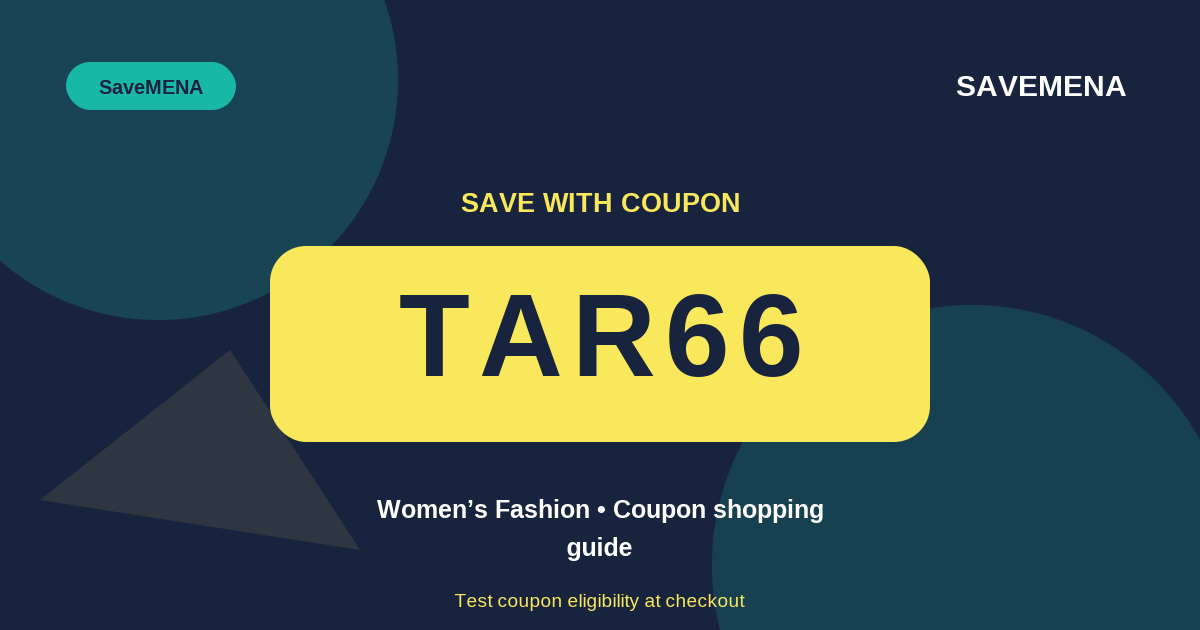
Codes available to try while comparing
These codes are not guaranteed for the article topic or listed brands; test them at checkout and use the live result.
Section Title
Paragraph 1
Paragraph 2
1. How to Verify Size and Fit Before Ordering
In women’s fashion, a correct size is pivotal. Begin by checking the brand’s size chart, which most Noon listings provide under the product description. If the chart is missing, look for a note in the seller’s profile that the item follows a standard size guide or confirm with the seller through the chat feature before buying. Gulf customers often rely on specific measurements like bust, waist, and hip to match local preferences, so cross‑checking these metrics reduces the likelihood of a breach in expectations that triggers a return.
Once the size matches your measurements, still consider the fabric’s stretch or drape. A silk gown will behave differently from a knit top. Reviewing customer photos and paying attention to the texture tags in the product notes can give you a clearer sense of how the item will perform on your body. Validated sizing and fabric checks prevent misfits, thereby cutting down on future return requests.
2. Confirming the Return Window and Eligibility
Before you hit “Buy,” locate the Return Policy section in the product listing. Noon typically displays a 30‑day return window for new, unused items, yet sellers may adjust this figure. A 14‑day return is not uncommon for certain boutiques, so reading this detail is vital to know your exact deadline for a refund or exchange. Accessible return policies are a sign of seller reliability, protecting you from inadvertently ordering with a restricted window.
Additionally, merchants may refuse returns for personalized or custom items. If the listing states “non‑returnable” or highlights a “no‑refund” clause, you’ll have to factor that into your decision. Some sellers support returns for major defects, and it’s wise to flag anything unusual prior to purchase. Bookmark or note the return terms; they are the first safeguard against disappointment.
3. Sorting Out Return Shipping Logistics
While Noon often covers return shipping for returns under their policy, each seller’s arrangement may differ. Check the label or shipping information for any “Return Shipping Fee” indication. Sellers who waive returns shipping can significantly reduce the hidden cost of sending an item back. If a fee appears, feel free to contact the seller for a possible credit or to see if a prepaid label can be issued.
In many cases, Noon will provide a prepaid return label that you print at home. This label typically requires you to attach it to the repackaged gift bag or original packaging. Ensure that the label is affixed correctly; otherwise, the outgoing parcel could misroute, causing additional delays that affect refund processing.
4. Using the Return Label: Packaging & Tracking
When an item arrives in an accidental or unsatisfactory condition, repackaging it in its original bag or pouch ensures compliance with the seller’s return guidelines. Avoid using damaged or creased packaging; it sends a message that the item is not in its initial state, potentially jeopardizing the return. Stick the return label firmly and verify that the barcode scans seamlessly to avoid handling errors.
Once sealed, drop the package at the designated courier or public dropbox. Most Noon sellers use Emirates Post or DHL, and the QR code on the label will track the package status. Retain the receipt or scan confirmation; you might need this proof to discuss any discrepancies or if the seller requests a logged return.
5. Understanding Refund Timing and Modes
Refunds on Noon usually appear in the buyer’s payment method within 10 to 15 business days after the return is confirmed. However, some sellers may deviate from this timetable, especially if they handle payouts manually. If you’re inside the 30‑day return window, confirm the expected refund period in the seller’s FAQ or dispute section before processing.
Refunds are commonly issued to the original payment method used for purchase. If you paid via a credit card, the refund will appear on the card statement within the processing window. In case of a credit card dispute, the status may differ; contacting Noon’s customer service can clarify any timeline anomalies, ensuring you’re not left waiting unnecessarily.
6. Documenting Item Condition for a Smooth Return
Record any flaws or mismatches before initiating a return. Taking a few photos that showcase the issue—whether a missing label, fabric stain, or mistaken color—provides verifiable evidence for the seller. This documentation is essential if the seller requests a reason or if the return policy requires evidence for a refund.
When you reach out through Noon’s support thread or the seller’s chat, include concise, factual details about the defect or mismatch. Briefly describe the specific problem, state the expected outcome (refund or exchange), and attach your photographic evidence. A clear written record mitigates the risk of misunderstandings and accelerates the decision process.
7. Applying TAR66: When to Try a Coupon at Checkout
The coupon code TAR66 has surfaced as an offer that shoppers can attempt during the Noon UAE checkout process. While it may not be guaranteed to apply to every women’s fashion purchase, it remains a worthwhile experiment when finalizing an order. Until you input the code, the platform won’t announce its use, so you need to test it while reviewing discount totals.
At checkout, enter TAR66 in the “Promo Code” field and watch for a discount reflection. If the code doesn’t apply, the platform will typically display a message explaining the reason—perhaps a category restriction or expiration. Note that only verified checkout totals reflect any new price; never rely on pre‑discount assertions outside of this step.
Related SaveMENA pages
Related articles
Official sources to check
Frequently asked questions
How long do I have to return a women’s fashion item on Noon UAE?
Most vendors allow a 30‑day return window for new, unused items, but some may offer shorter periods like 14 days. Always check the specific return policy listed under the product before you purchase.
Will Noon cover the return shipping cost for a women’s fashion item?
Many Noon sellers provide a prepaid return label for returned items. Verify the shipping policy in the listing; if a return fee is mentioned, you may need to cover it, or contact the seller for clarification.
Can I use the coupon code TAR66 on any women’s fashion product?
The coupon code TAR66 can be tried at checkout, but its applicability is not guaranteed. Nuances like category restrictions or expiration can affect whether it applies to a particular article.
What should I do if the seller says the return is rejected after I shipped it back?
Check the return labeling and packaging standards. If the item was mispackaged or shown as damaged, the seller may reject it. Contact Noon support for documentation and dispute resolution.