Home Appliances on Noon UAE: review signals — testing coupons one at a time
try Noon UAE coupon codes Home Appliances visible product and seller review signals: When you’re ready to buy a home appliance on Noon UAE, the first thing you’ll
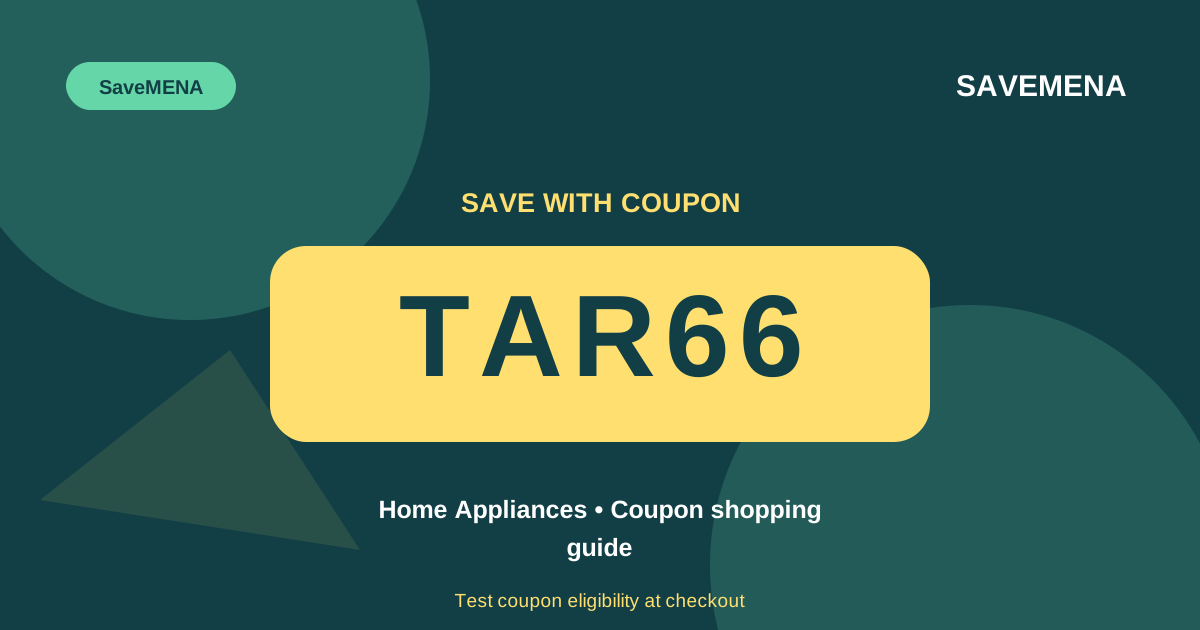
Codes available to try while comparing
These codes are not guaranteed for the article topic or listed brands; test them at checkout and use the live result.
Inspecting Product Ratings: The First Step
Before scrolling past the catalog, pause at the product listing and locate the star rating displayed beside the title. This numerical symbol is the quickest visual cue to gauge customer satisfaction. Aim to see a rating comfortably above the platform’s average for the category, as it suggests consistent performance. Watch for any accompanying review counts, often shown in parentheses. A high rating coupled with a sizeable review box is a good pass‑test for product reliability before proceeding to the next checkpoint.
Once you have a sense of the rating, click through to the expandable review section. Here you’ll read sentences that hint at texture, durability, and real‑world quirks. Note whether the comments are balanced or heavily skewed, as polarized feedback can signal issues that demand further scrutiny. If most reviews are positive, the product is likely a solid choice; still, keep an eye out for recurring concerns that could affect your usage.
Evaluating Seller Feedback for Trustworthiness
Troubleshoot potential risk by looking at the seller’s overall feedback score on the product page. This metered percentage reflects how buyers rate their experience with that particular seller. A high score suggests professional handling of orders, consistent fulfillment, and good communication. Low or fluctuating scores might be a caution flag, prompting you to seek alternative sellers or weigh customer complaints more carefully.
Beyond the single rating number, skim seller‑specific comments. Pay attention to how the seller addresses product defects, return requests, and shipping delays. Positive commentary about quick responses and efficient problem‑resolution is an encouraging sign. Even if a seller has a robust rating, specific review excerpts about accuracy in item description can tip the scales for peace of mind.
Cross‑Checking Descriptions with Real‑World Usage
Open the product description and compare it against the real‑world usage notes found in customer reviews. The listing often highlights key specifications—capacity, power wattage, dimensions—but the narrative reviews confirm whether the appliance performs as advertised. Read about noise levels, energy consumption reports, and any recurring maintenance concerns to confirm it meets your expectations.
Look for disclaimers that may affect how the product functions. For example, a single paragraph warning of mechanical wear or a mention that the appliance might be sensitive to high humidity may be crucial for your living environment. Aligning the technical details with user anecdotes ensures the buyer’s consensus matches the cart’s promise.
Managing Expectations with Warranty & Return Terms
Navigate to the warranty and return sections that appear adjacent to the seller’s information. These passages outline the period of protection, covered defects, and procedures to claim a refund or replacement. Note any terms like “free servicing” or “return within X days” that influence the post‑purchase experience. Make a mental note of any terms that require inbound communication with the seller before initiating a return.
When these policies seem ambiguous, search for related commentary within the review cache, as shoppers often describe their interactions with return logistics. Well‑logged positive experiences suggest inexpensive post‑purchase friction; negative reports can signal hidden costs or delays. Recording these observations primes you for a smoother transaction forecast.
Timing Your Purchase with Seasonal Releases
In the UAE, appliance upgrades often align with the end‑of‑month or holiday waves when sellers refresh stock. Scan product listings for terms such as “new arrival” or “updated model” that may carry new features or subtle performance shifts. Products flagged as older versions might provide classic reliability but could lack future support or brand updates.
If the model’s release timeline is present, coordinate the application of the TAR66 code early, as some sellers remember users who place quick orders post‑release. On the other hand, verify if older inventory clears better stock earlier, potentially making it easier to fetch without waiting for new shipments.
Leveraging the TAR66 Code: Step‑by‑Step Application
Locate the input field labeled ‘Coupon code’ on the cart page. Enter TAR66 precisely as it appears, case‑sensitive and without any added spaces. After submission, check whether the cart summary updates. If the system reflects a change—typically shown as a new subtotal or a discount line—then the code has triggered successfully.
Should the cart not alter, note that the code might not apply due to product rating, seller constraints, or other hidden rules. In that case, revisit the product page for a third‑party seller or a different variation. Re‑apply the code once you’ve confirmed the product and seller meet all coupon prerequisites as displayed on the cart’s eligibility table.
Finalizing Your Order: Verifying Totals Before Payment
On the checkout screen, compare the displayed total against the original shop list. Pay close attention to shipping, handling, and any mandatory fees. These figures may be shown separately above the payment options; ensure no hidden charges have crept in after the coupon application.
After confirming the final numeric figure, proceed to the payment gateway. Hold a screen capture of the success screen; this will provide evidence should a discrepancy arise. Completing the transaction pre‑emptively can save you from friction with the seller or platform customer service.
Post‑Purchase Audit: Tracking Delivery & Seller Responsiveness
Once you’ve completed checkout, log into your account and open the order history. Your shipment details—including tracking number and expected delivery window—are often listed there. Verify that the number matches any updates from the seller or the logistics provider’s autonomous portal, ensuring the postal closure is accurate.
Should any delay arise, use the seller contact information to inquire politely, referencing the order number and the fact that the ISO is the only hard evidence so far. A prompt and professional reply, especially if it confirms the shipment is en route, reassures that the transaction remains on track.
Related SaveMENA pages
Related articles
Official sources to check
Frequently asked questions
What if the TAR66 coupon code does not apply to my home appliance?
Check that the product, seller, and any cart totals meet the code’s requirements shown on the cart. Some sellers may display a red “coupon not applicable” notice. If the requirement is unclear, contact Noon support for clarification.
Can I combine TAR66 with other discounts or sales?
Coupons typically apply linearly. If you see a sale price, the code might either reduce that price further or be redundant. The final price after code submission will show if it was accepted.
Will a low product rating affect the coupon’s acceptance?
A rating itself doesn’t lock code eligibility, but some sellers lock coupons for items that rank below a certain threshold to avoid marketing discounts for low‑performing items. Verify seller settings if your coupon fails.
What steps should I take if the order total shows incorrectly after applying TAR66?
Re‑check your cart for hidden fees or check if the SKU is off‑market. If still mismatched, capture the screen and open a support ticket citing the issue, including the coupon code name and order number.